

Related Topics
Most communities offer opportunities for older adults to engage in programs and services that improve their lives. Some are designed to promote social connection, while others support good nutrition. Congregate meal programs address both goals at the same time.
What is a congregate meal program?
Congregate meal programs provide hot, tasty, nutritious meals to older adults in accessible group settings at least once a day. These settings include:
- Senior centers
- Community and faith-based centers
- Schools and libraries
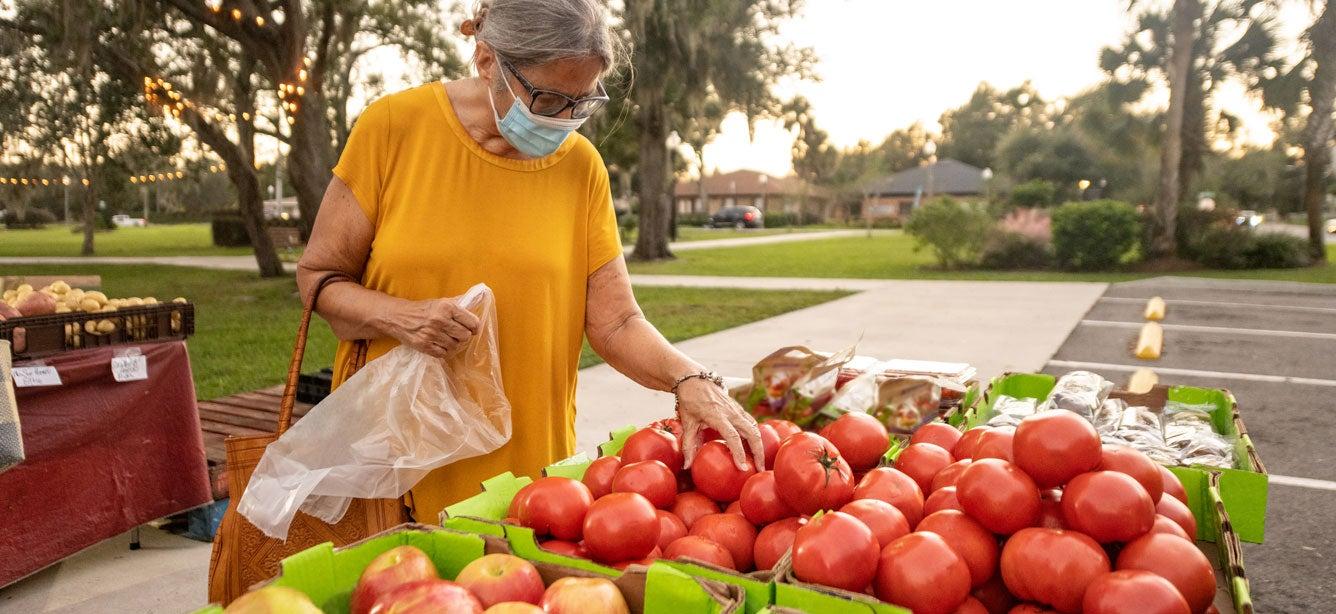
- Farmers markets
- Senior housing facilities
- Restaurants
- Other community settings
Congregate meals usually consist of a hot lunch, but they may also include breakfast or dinner. Menus are focused on meeting USDA dietary guidelines and may reflect the unique cultures of the surrounding neighborhoods. Most programs provide options that cater to common dietary restrictions, such as gluten-free or diabetic-friendly. Transportation may be available for adults who need it to help ensure they don’t miss a meal.
Beyond providing nourishing food to eat and opportunities to socialize, congregate meal sites may offer other services to improve participants’ health and well-being, including:
- Information on managing chronic diseases
- Wellness checks
- Nutrition education and counseling
- Falls prevention education
- Connections to broader aging and disability resources
Do I have to pay for congregate meals?
Meals provided at congregate sites have no set fees, but small donations from participants are encouraged to help support program costs.
The rest of the funding is provided through a government program called the Senior Nutrition Program. Funded by the Administration for Community Living (ACL), this program provides grants to states to help them deliver nutrition services to older residents.
The goals of the Senior Nutrition Program are to:
- Reduce hunger, food insecurity, and malnutrition
- Promote social engagement
- Support the overall health and well-being of older Americans
In addition to congregate meals, the program sponsors healthy, home-delivered meals and other nutritional services like nutrition screening, assessment, education, and counseling.
Who can attend congregate meals?
Congregate meal programs are generally open to all adults age 60 and older.
What are the benefits of congregate meals?
Congregate meals offer a variety of benefits, especially for older adults who live alone. These benefits include:
- Improved nutrition: As we age, our dietary requirements change. Through congregate meals, older adults receive nutritious, well-balanced meals on a regular basis. Getting more of the nutrients they require—such as protein, calcium, and fiber—can help prevent chronic conditions like heart disease, hypertension, and osteoporosis. It’s no surprise that 73% of congregate meal participants say the program improved their health.1
- Dietary variety: Congregate meals give older adults the chance to enjoy meals they may not want to or be able to prepare themselves. Having a varied, interesting diet is not only healthy; it enriches our well-being.
- Social connection: Social isolation can lead to loneliness and depression as well as higher blood pressure and early-onset dementia. Attending congregate meals on a regular basis gives older adults the chance to meet new people, nurture lasting friendships, and build a solid support network. It can provide a foundation for a thriving social life that makes it easier to live independently.
The National Survey of Older Americans Act Participants highlighted why meal programs are so important to many older adults' well-being. Among the participants surveyed:1- 63% said their social opportunities have increased.
- 67% said they see their friends more often.
- Nearly 86% said they feel better.
- Greater food security: Having regular access to nutritious food is a vital aspect of overall health. But according to Feeding America, roughly 7.4 million seniors (age 60+) faced food insecurity in 2023, meaning they lacked enough food to stay healthy and active.2 Congregate meal programs help fill the gaps for many older adults. In a previous survey, 54% of participants reported that a congregate meal supplies at least half of their total food for the day.3
How can I find congregate meal sites near me?
Contact your local Area Agency on Aging (AAA) to ask about congregate meal programs in your area. They can help you figure out the service and location that’s most convenient for you and address any special needs you may have (rides to and from the meal site, for example). Find your closest AAA by visiting the Eldercare Locator and entering your ZIP code.
If you’re unable to leave your home, ask your area agency on aging about home-delivered meal programs, such as Meals on Wheels.
Additional food assistance: See if you qualify for SNAP food assistance
Congregate meal programs are a great way to get more healthy meals under your belt each week. But what about the rest of the time? With grocery prices rising, are you worried about how far you can stretch your budget?
Help may be available from the Supplemental Nutrition Assistance Program (SNAP), formerly known as food stamps. SNAP helps millions of low-income older adults buy healthy, nutritious food, but millions more who qualify don’t take advantage of these benefits.
Checking your SNAP eligibility is easy—and well worth a few minutes of your time. Bonnie M., age 65, is a great example. The high costs of homeownership had become overwhelming for Bonnie, who lives alone on a fixed income. She was visiting her local food bank every month just to have enough to eat. With help from one of NCOA's Benefits Enrollment Centers, Bonnie applied for SNAP and was approved, much to her relief.
I can now use SNAP to buy healthy food, which saves me money that I can use toward home expenses," Bonnie said gratefully.
Visit BenefitsCheckUp.org and enter your ZIP code to learn more about SNAP and other programs that can help you stay healthy and afford health care, medicines, utilities, and more.
Sources
1. Administration for Community Living. Meaningful Connection and Better Health through Congregate Meals. Found on the internet at https://acl.gov/sites/default/files/nutrition/MeaningfulConnectionCongregate.pdf
2. Feeding America. Map the Meal Gap 2025: A Report on Local Food Insecurity and Food Costs in the United States in 2023. May 2025. Found on the internet at https://www.feedingamerica.org/sites/default/files/2025-05/Map%20the%20Meal%20Gap%202025%20Report.pdf
3. Congregate Meal Programs: A value proposition, Administration for Community Living. Found on the internet at https://acl.gov/sites/default/files/programs/2019-03/MealProgramValueProposition.pdf
Get Help Paying for Food, Medicine, and More
Millions of older adults miss out on money-saving benefits simply because they don't apply. Start today by answering a few questions to see if you qualify, and learn how to get help to apply