
Best Pillows for Sleep Apnea 2026
We tested pillows that can help ease sleep apnea symptoms. Our top pick is the Luxome LAYR.

- The Luxome LAYR is our top pick because its unique mix-and-match interior layers help to prop you up so you can breathe more easily.
- The pillows in this review range from $109–$150.
- Other top picks include the Helix Wedge Pillow (Best Wedge), Layla Kapok Pillow (Best for Back Pain), and TEMPUR-Neck Pillow (Best for Neck Pain).
- Pillows that provide lift to the head, neck, and shoulders may help reduce sleep apnea symptoms.
- Pillows designed for side sleeping are also key, because side sleeping is the preferred position for sleep apnea.
- Adjustable pillows can be especially helpful for sleep apnea because they let you fine-tune loft and firmness for your comfort needs and CPAP accessories, like a mask.
NCOA supports everyone’s right to age well. So we take the time to research, test, and recommend products that can help you live a healthier life. We’ve spent more than 2,500 hours researching and testing pillows to give you the most accurate product reviews. To find the best pillows, we:
- Consulted with sleep specialists like doctors, occupational therapists, and physical therapists for guidance on choosing the best pillow
- Put more than 130 models through a series of 19 different tests at our in-house lab
- Mystery-shopped more than 40 brands
- Surveyed more than 2,000 older adults on their sleep quality
- Interviewed experts on the importance of good sleep for older adults
- Worked with older adult testers to evaluate pillows and get their opinion
- Read thousands of verified customer reviews
We’re constantly testing new pillows and sleep products to give you the most accurate and up-to-date recommendations. Read more about our sleep accessories review methodology.
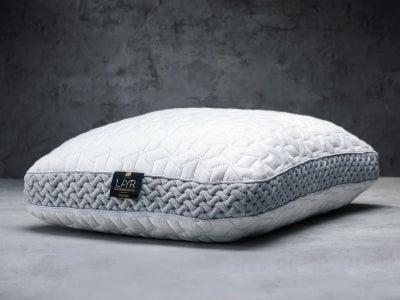
Best Overall
Luxome LAYR
Supports neck and shoulders to promote open airways and features three inner layers to adjust its height and firmness
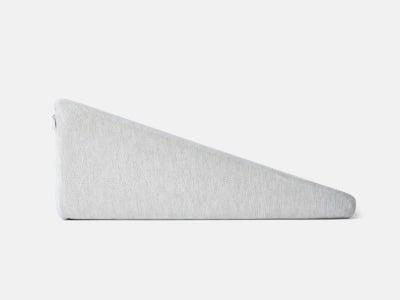
Best Wedge Pillow
Helix Wedge
Elevates the head and neck to remove pressure from airways and can also be used to elevate legs
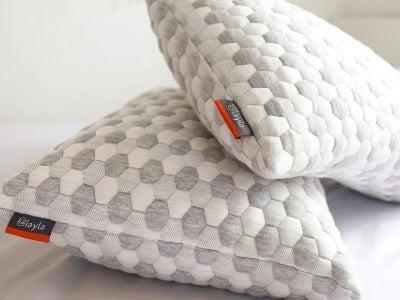
Best for Back Pain
Layla Kapok
Higher loft helps prop up head and helps relieve pressure on the back
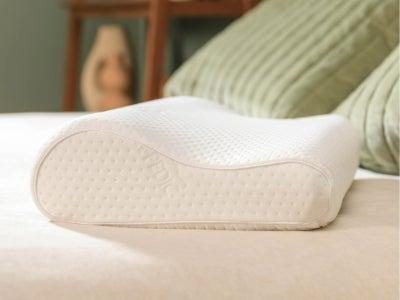
Best for Neck Pain
TEMPUR-Neck
Ergonomic design helps promote open airways and helps to keep the spine aligned and neck supported
If you find yourself waking up exhausted even after a full night’s sleep, you might have sleep apnea. Sleep apnea is a potentially serious disorder in which your breathing repeatedly starts and stops. We become much more likely to develop sleep apnea as we grow older—some studies estimate that at least 56% of people 65 and older are at risk. The condition usually occurs when the throat muscles relax and close the airway while sleeping.1
Your doctor should always be your first stop when you have concerns about sleep apnea. But you may also help ease some of its symptoms by using the right pillow at night. The best pillow for sleep apnea is supportive and keeps your head, neck, and shoulders slightly propped up. These features can help to keep the airway clear and encourage a better seal with your CPAP mask, if you wear one.
In our review of the best pillows for sleep apnea, we highlight our top picks, explain what makes a pillow good for sleep apnea, and how to find the right one for you. See our review of the best mattresses for sleep apnea for mattress recommendations.
Best pillows for sleep apnea in 2026
- Luxome LAYR Pillow: Best Overall Pillow for Sleep Apnea
- Helix Wedge Pillow: Best Wedge Pillow for Sleep Apnea
- Layla Kapok Pillow: Best Sleep Apnea Pillow for Back Pain
- TEMPUR-Pedic Neck Pillow: Best Sleep Apnea Pillow for Neck Pain
Comparing the best pillows for sleep apnea
| Comparison Features | ||||
|---|---|---|---|---|
| Score (out of 10)* | 9.3 |
7.1 |
9.7 |
8.1 |
| Best for | Overall |
Wedge Elevation |
Back Pain |
Neck Pain |
| Fill material | Down alternative and memory foam |
Gel memory foam and polyfoam |
Memory foam |
Memory foam |
| Loft/Adjustability | Adjustable; 9.5'' |
10" at high point |
Adjustable; 7'' |
Different sizes available; 3.5–4.75” |
| CPAP-compatibility | Yes, adjustable |
Yes, elevated design requires back sleeping |
Yes, adjustable |
Yes, ergonomic design promotes open airways |
| Trial period | 30 |
30 |
30 |
None |
*Ratings reflect a brand's overall offering; the best overall pick doesn't necessarily have the highest score
Our process testing the best pillows for sleep apnea
For this review, we personally tested 15 pillows identified through our research to help ease sleep apnea symptoms. Each pillow was put through rigorous testing by older adults to ensure we have real-world data about how they perform.
We considered these important factors when testing the best pillows for sleep apnea:
Luxome LAYR: Best Overall Pillow for Sleep Apnea
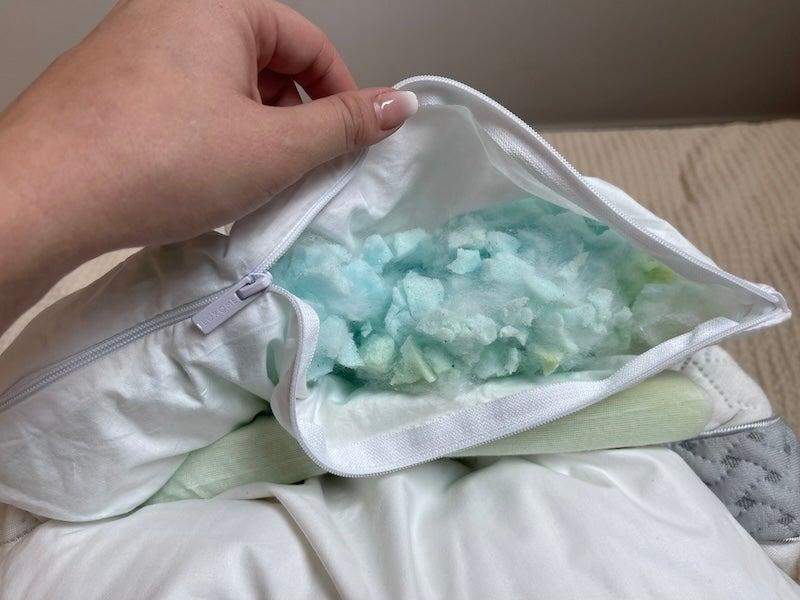
The Luxome LAYR is our Best Overall Pillow for Sleep Apnea pick because of its unique mix-and-match inner layers. This design makes it easier for you to create a customized loft and firmness that best fits your sleep needs.
- Three inner layers you can mix and match
- Adjustable firmness and loft to fit CPAP mask or prop up your head
- Helps support neck and shoulders
- CPAP compatibility: Yes, adjustable loft
- Fill material: Down alternative and memory foam
- Adjustability and loft: Adjustable; 9.5''
- Firmness level: Adjustable
- Free trial period: 30 nights
- Cooling: Gel-infused foam, breathable fabric
- Shape: Traditional rectangle
Pros
- Three inner layers make this pillow highly customizable
- Excellent support for side sleeping
- Adjustable to your preferences or CPAP mask design
- High loft helps prop up head and neck
Cons
- Takes some testing to find the right combination
- Shorter trial period (30 nights)
- Traps heat
Helix Wedge Pillow: Best Wedge Pillow for Sleep Apnea
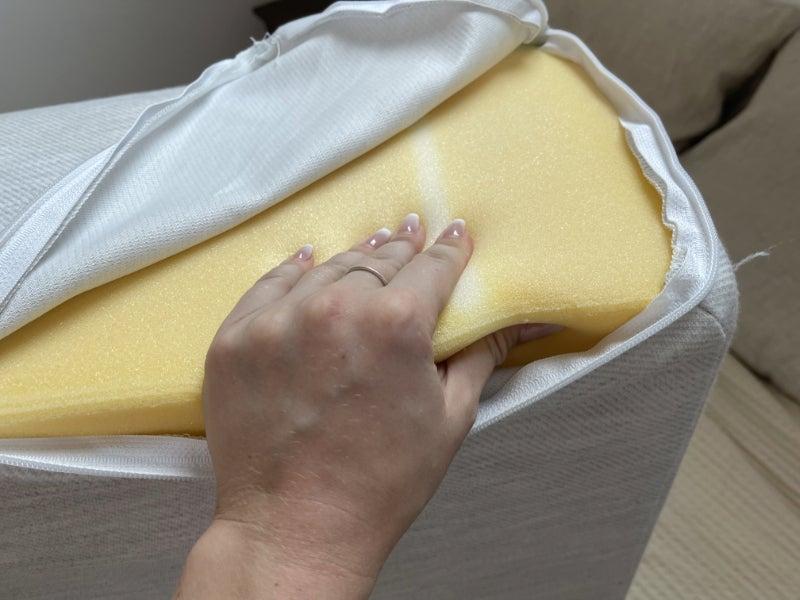
The Helix Wedge pillow is our Best Wedge Pillow for Sleep Apnea. We like it for its thoughtful design that lifts the head and neck to keep the airways open. We found that it offers great support for back sleepers by reducing snoring and helping to improve breathing.
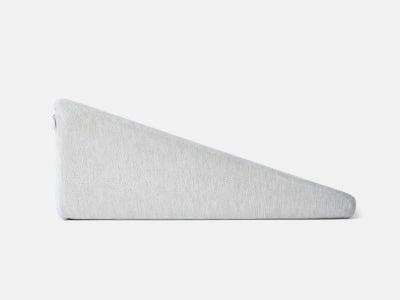
- Helix Mattress Review
- Elevates the head and neck to remove pressure from airways
- Made with gel memory foam for better cooling
- Can also be used to elevate legs
- CPAP compatibility: Yes, wedge design to open airways
- Fill material: Polyester, memory foam
- Adjustability and loft: Not adjustable; 10''
- Firmness level: Medium-firm
- Free trial period: 30 nights
- Cooling: Layer of cooling gel memory foam
- Shape: Wedge
Pros
- Wedge design keeps chest lifted and airways open
- Works well for all body types
- Top layer of foam offers cooling and contouring
Cons
- Testers only liked it for back sleeping
- May be too tall for some to find comfortable
- Does not work for stomach sleepers
Layla Kapok: Best Sleep Apnea Pillow for Back Pain
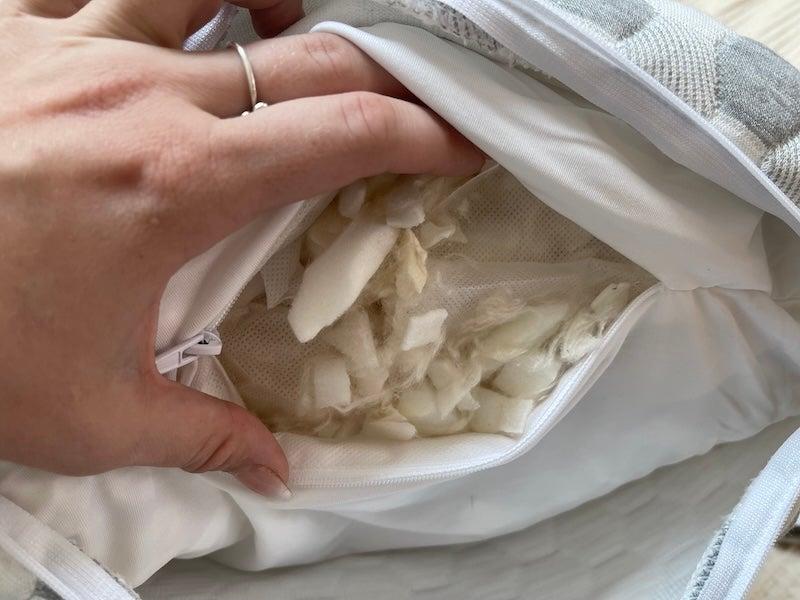
The Layla Kapok pillow is our Best Sleep Apnea Pillow for Back Pain. We found that its mix of support and softness helps to minimize pressure buildup along the neck, shoulders, and spine. The Layla Kapok is excellent for side sleeping, and its high, adjustable loft can make it easier to prop up your head or customize it for your CPAP mask.
- Extremely supportive and helps relieve pressure on the back
- Adjustable loft and responsive
- Sleeps cool
- CPAP compatibility: Yes, adjustable loft
- Fill material: Shredded memory foam and kapok fibers
- Adjustability and loft: Removable fill, 7''
- Firmness level: Adjustable firmness
- Free trial period: 30 nights
- Cooling: Breathable cover
- Shape: Traditional rectangle
Pros
- Great at keeping spine aligned
- Minimizes pressure buildup
- Elevates head and neck for better CPAP mask seal
Cons
- Shorter trial period (30 nights)
- Some may prefer a firmer pillow
- Limited ways to contact customer service
TEMPUR-Neck: Best Sleep Apnea Pillow for Neck Pain
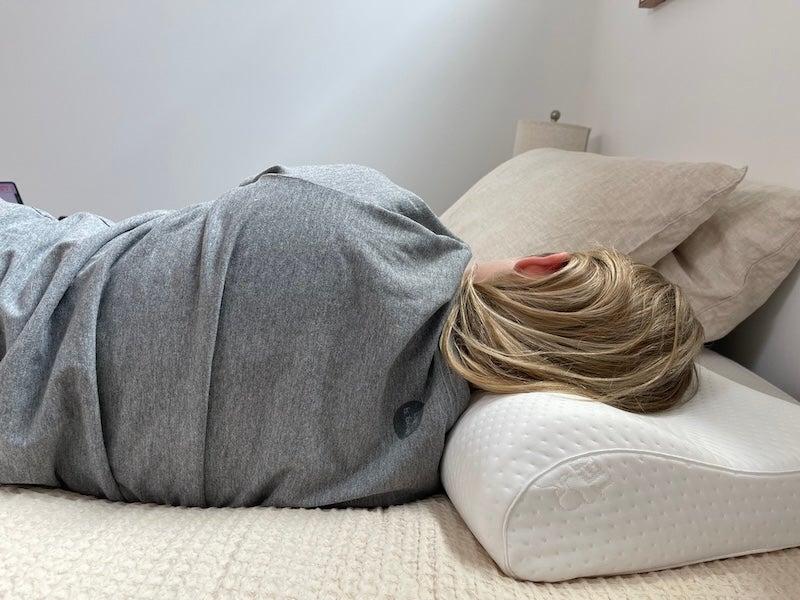
We chose the TEMPUR-Neck pillow as our Best Sleep Apnea Pillow for Neck Pain. Its contoured design is created specifically to keep the neck, shoulders, and spine aligned, landing it on our list of best orthopedic pillows. It follows the natural curve of your head and neck to provide support, prevent pressure buildup, and help keep your airway open.
- Helps keep the neck aligned in a neutral position
- Can help promote an open airway
- Special contoured design for reducing neck pain
- Comes in three sizes for different heights
- CPAP compatibility: Yes, ergonomic design promotes open airways
- Fill material: Tempur-Pedic memory foam
- Adjustability and loft: Not adjustable; 3.5–4.75”
- Firmness level: Medium-firm
- Free trial period: None
- Cooling: Cooling memory foam
- Shape: Contoured
Pros
- Contoured neck support for open airways
- Helps keep the neck, shoulders, and spine aligned
- Designed for side sleeping
Cons
- No free trial period
- Choosing the incorrect size for your height might be uncomfortable
- Some people might find it too firm
How pillow choice affects sleep apnea
It might not seem like your sleep apnea symptoms can be affected by something as small as a pillow. But recent research has shown that the right pillow not only helps reduce sleep apnea symptoms but can also improve the overall quality of your sleep.5 This study found that a specific memory-foam pillow about 6” high reduced snoring and awakenings compared to a laboratory pillow, although more research is needed (the study didn’t show improvement in overall sleep apnea severity and didn’t test pillow height as a variable).
The pillows in this list have a range of loft from 3.5–9.5” and are all made with memory foam.
In general, the right pillow can keep the head elevated enough to ease symptoms and can help make CPAP use more comfortable. There’s a strong connection between your sleep and your health, so it’s important to try to get the best night’s rest you can.
For more information on ways you can get restful sleep, see our review of the best mattresses for older adults.
Best sleeping position for sleep apnea
The best sleeping position for sleep apnea is usually on your side.6 The experts we talked with agree: “Side sleeping is often the best way to breathe well,” said Steve Carstensen, DDS, a dentist and sleep expert at the Center for TMJ and Sleep Solutions in Seattle.
This position helps to keep the airways clear and unblocked, allowing you to get the right amount of air. But side sleepers should be careful about curving their neck toward their chest too much, which can restrict airflow. “The best posture for breathing is the same as the best posture while awake: Head centered over the shoulders. If a pillow tips the chin closer to the chest, for example, it’s harder to breathe,” said Carstensen.
Sleeping on your back may put too much pressure on your throat and cause your airways to collapse. Sleeping on your stomach is generally not advised, especially if you have a CPAP mask. Pressing your face against the mattress can cause your mask to dislodge.

55% of surveyed adults said they preferred to sleep on their side versus their back or stomach.
— NCOA 2025 March survey of older adults who sleep with chronic pain7
What to look for in a pillow for sleep apnea
Sleep comfort is personal, but there are certain features that make a pillow better for easing sleep apnea symptoms.
Some features to consider when buying a pillow for sleep apnea include:
Elevation / Incline
Look for a pillow that helps to elevate your head, neck, and shoulders enough to keep your airways clear but not enough to put extra strain on your body. Wedge or contoured pillows can be a good option.
Carstensen likened this to the posture of a CPR dummy. “Tip the head back and thrust the jaw forward to open the airway. The closer we can get to that posture in a pillow, the easier it is to breathe,” said Carstensen. “Keeping the head tilted back is not always comfortable, but a neutral posture comes pretty close. If a pillow can support the back of the neck and allow the head to fit into a recess, it’s pretty good for breathing.”
Cervical alignment
It’s important to keep your neck in a neutral position that maintains open airways. Contoured pillows (like the TEMPUR-Neck) are great for keeping your spine and neck aligned properly.
Firmness
A medium-firm pillow offers stable support for your head and neck and prevents you from sinking too much.
Sleep position compatibility
People with sleep apnea may feel better by sleeping on their sides. Look for a pillow that is designed for side sleeping to keep you comfortable throughout the night.
Adjustability
A pillow you can adjust is great for fine-tuning its loft and firmness to your comfort needs, as well as for CPAP accessories like a mask.
How much do the best pillows for sleep apnea cost?
The best pillows for sleep apnea cost from $109–$150. Costs can vary based on factors such as pillow size, materials, and adjustability.
| Comparison Features | Luxome LAYR Pillow |
Helix Wedge |
Layla Kapok |
TEMPUR-Neck Pillow |
|---|---|---|---|---|
| Price for a queen* | $150 |
$109 |
$109 |
$109 |
| Shipping costs | Free |
Free |
Free |
Free |
| Warranty | Limited |
1-year |
5-year |
5-year limited |
| Return fees | Decided at return |
No return fees during 30-day trial period |
No return fees |
No returns |
*Most mattress brands run frequent or ongoing promotions. Sale prices are typically lower and may change often.
How to save money on pillows
The easiest way to save money on pillows is to wait until they are on sale before making a purchase. Look for holiday sales, such as Memorial Day or Labor Day. Some companies will send you a discount if you sign up for their email and text lists, too.
You can also save money by taking advantage of the company’s promotions, such as a free trial period or free returns.
Frequently asked questions
Can a pillow really help with sleep apnea?
The right pillow may play a part in reducing sleep apnea symptoms by positioning your body to support your head and neck. Some pillows can also help with CPAP therapy by reducing mask pressure, air leaks, or hose interference. People with sleep apnea should still follow their prescribed treatment plan and talk with a doctor before relying on a pillow for symptom relief.
What type of pillow is best for sleep apnea?
There isn't a single pillow type that works for everyone with sleep apnea. The best option depends on your sleep position and treatment needs. Side sleepers may benefit from a supportive pillow that aligns the head, neck, and spine. Back sleepers may prefer a wedge pillow that elevates the upper body. CPAP users may want a CPAP pillow with cutouts to help reduce mask pressure and air leaks. In general, the best option is one that supports your airway, keeps you comfortable, and works with your prescribed sleep apnea treatment.
What pillow do doctors recommend for sleep apnea?
There isn't a single pillow doctors recommend for sleep apnea. Your doctor may recommend a pillow for sleep apnea based on your sleep position, CPAP use, body size, and symptoms. Common options include a supportive side-sleeper pillow, a wedge pillow for upper-body elevation, or a CPAP pillow designed to reduce mask leaks and pressure.
Is it better to sleep flat or inclined with sleep apnea?
Some with sleep apnea find sleeping slightly inclined can help reduce airway obstruction, snoring, and breathing disruptions. A wedge pillow or adjustable bed can help raise the head and upper body more consistently than stacking standard pillows. But your sleep position needs may vary, so it's best to consult your health care professional about the best option for you.
Are wedge pillows comfortable for side sleepers?
Yes, wedge pillows can be comfortable for side sleepers if they are responsive and conform to your body.
Questions? Email us at reviewsteam@ncoa.org.