
Shingles Vaccine for Older Adults: Cost, Coverage, and What You Need to Know
5 min read
Related Topics
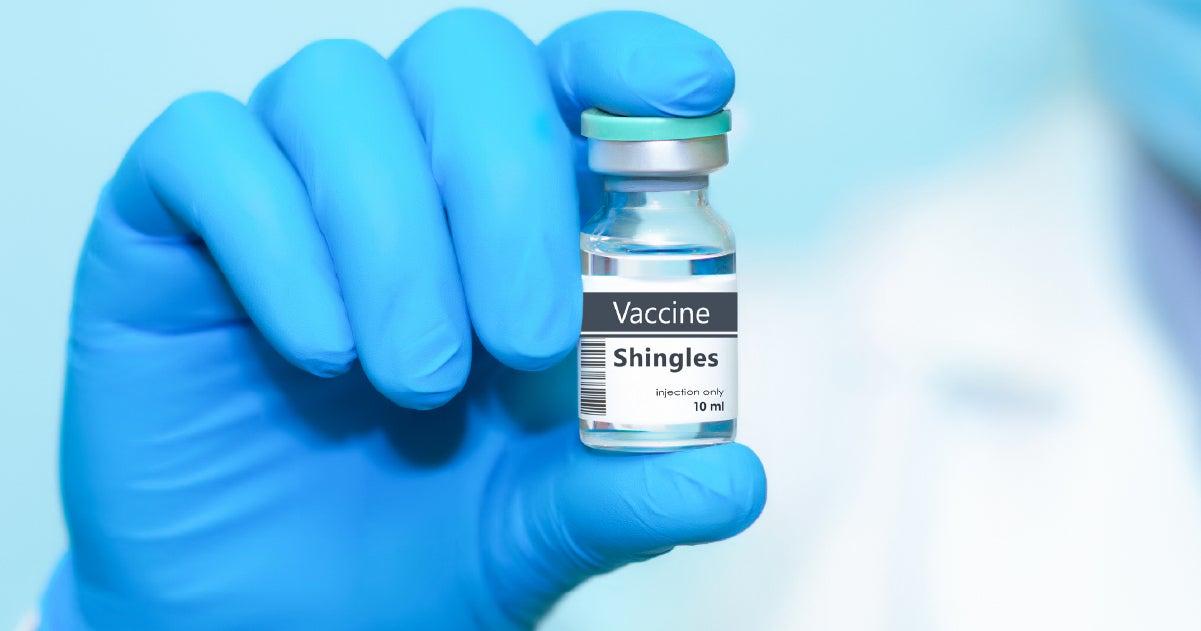
The shingles vaccine is the best way to protect yourself from shingles, a painful condition triggered by the virus that causes chickenpox. Health experts recommend the Shingrix shingles vaccine for adults age 50 and older, since our risk of shingles and serious complications increases with age. About 1 in 3 Americans will develop shingles during their lifetime, and nearly 1 million people are affected each year.1
If you're considering the shingles vaccine, you may have questions about who should get it, how well it works, and whether Medicare or insurance covers the cost. This guide explains what you need to know so you can make an informed decision about protecting your health.
What is shingles?
Shingles is a viral infection that often brings on a painful skin rash and other symptoms. It's caused by the varicella zoster virus, the same virus responsible for chickenpox. Even if you had chickenpox as a child, the varicella zoster virus may still lie dormant in your nerve cells. In most cases, it stays inactive. But for about 1 in 3 adults, the virus reactivates.2 Most people who develop shingles will only have it one time—but it is possible to get it more than once.
What are shingles symptoms and treatment?
Early signs of shingles include sensitive and/or tingling skin followed by a red, blistery rash. The blisters tend to scab over in seven to 10 days and are fully healed by two to four weeks. Headache, fever/chills, and an upset stomach are other common symptoms of shingles. The pain from this infection can be severe and debilitating and can interfere with daily life.
Does shingles go away? There’s no known cure for shingles. Treatment usually involves managing the pain with topical creams, steroids, and cold compresses. In some cases, anti-viral medications are used to ease symptoms and prevent nerve damage. While shingles typically runs its course within a few weeks, roughly 10-18% of people experience long-term nerve pain called postherpetic neuralgia (PHN). Other complications of shingles include:
- Pneumonia
- Hearing problems
- Encephalitis (brain inflammation)
- Bacterial infection
- Death
The only way to prevent shingles is through vaccination with Shingrix (recombinant zoster vaccine). This two-dose shingles vaccine is found to be more than 90% effective at preventing shingles as well as long-term nerve pain.1
Note: Shingrix replaced the prior shingles vaccine Zostavax. Shingrix was first approved in October 2017 and became the only shingles vaccine available in the U.S. once Zostavax was discontinued in November 2020. If you had the Zostavax vaccine previously, you should still get the Shingrix shot. Talk to your health care provider about the best timing to get Shingrix.
Shingles Vaccine at a Glance
| Question | Answer |
| Vaccine name | Shingrix |
| Recommended age | 50+ |
| Younger adults | 19+ if immunocompromised |
| Doses | 2 |
| Cost with Medicare | $0 |
| Without insurance | About $400 |
| Effectiveness |
97% effective in adults ages 50–69 91% effective in adults age 70+ |
| Booster needed | Not currently |
"I’d heard stories about how bad shingles hurts, and honestly, I’m a wimp when it comes to pain. So I didn’t wait. I rolled up my sleeve," writes Amy-Sarah Marshall in UVA Health's blog, Healthy Balance. "Getting the shingles vaccine is easy, quick, and cheap. You can get it without an appointment at most major pharmacies. And it’s covered by most insurance plans. Next time you go grocery shopping, take a few minutes and get the shot. That’s all you have to do."
Paula Bourbon, age 62, says her first attack of shingles was "like a lightning bolt hit my head." The rash spread from the top of her scalp to her forehead and eyes. Since her initial shingles diagnosis, she's had at least eight outbreaks, calling the pain “the worst thing you could ever imagine.”
Paula was not vaccinated against shingles, she shares candidly on the CHOP Parents PACK blog: "Prior to the attack, I wasn’t aware that a shingles vaccine was available. I had heard about it in passing, but it was never something I thought I needed at age 62. Now, all I have to do is show someone a picture of my shingles infection and they leave my house and go get the vaccine right away.”
At what age should you get the shingles vaccine?
You might be wondering about the age range for the shingles vaccine. Older adults are at higher risk for developing shingles, since our bodies have more trouble fighting off infections as we age. In fact, adults over age 60 represent approximately half of all shingles cases in the U.S.2
The Centers for Disease Control and Prevention (CDC) recommends that healthy adults age 50 years and older get two doses of Shingrix separated by two to six months. Vaccination is also recommended for some adults age 19 and older who have compromised immune systems. People who are immunocompromised can receive their second dose of Shingrix one to two months after the first dose.
Shingrix is available in pharmacies and physicians’ offices and, like many vaccines, is delivered as a shot in your upper arm. If you’re wondering, “Should I get the shingles vaccine at age 75?”, the answer is yes. There is no maximum age for receiving the two-dose shingles vaccine.
Should you get the shingles vaccine series after getting shingles?
Yes, the two-dose Shingrix regimen is recommended by the CDC even if you’ve had shingles or you received the Zostavax vaccine. You should also get vaccinated even if you’re not sure whether you had chickenpox as a child.
How effective is the shingles vaccine?
According to CDC, the shingles vaccine was 97% effective in preventing shingles in healthy adults age 50 to 69. In adults age 70 and older, Shingrix was 91% effective.1
The shingles vaccine has also been linked with a reduced risk of dementia and a reduced risk of heart attack and stroke.
How long does the two-dose shingles vaccine last?
Studies show that protection remains higher than 85% within the first four years of vaccination.3 In people age 70 and older with healthy immune systems, immunity from Shingrix stayed high throughout the seven years after getting vaccinated. While protection from the shingles vaccine gradually wears off over the first five to eight years, there is currently no approved shingles booster available.
Will I have a reaction to the shingles vaccine?
Many people wonder, “Does the shingles vaccine have side effects?” Since the shingles vaccine triggers a robust immune system response, you may experience some temporary side effects that go away within two to three days. Most side effects are mild. Keep in mind that shingles can lead to complications such as a lifetime of nerve pain—so these short-term effects are a small price to pay for protection.
Shingles vaccine side effects may include:
- Sore arm
- Fatigue, headache, body aches, stomach pain, or nausea
- Redness and swelling at the injection site
Who should get the shingles vaccine?
Although Shingrix is considered safe and effective, there is a small subset of people who should avoid it.
You should not get the shingles vaccine series if you:
- Have an active shingles infection
- Have tested negative for immunity to varicella zoster virus (in that case, you should get the chickenpox vaccine)
- Have experienced a severe allergic reaction to Shingrix or any component of this vaccine
Additionally, if you’re sick with a moderate to severe illness (including having a temperature of 101.3°F or higher), it’s best to wait until you recover before you get the shingles shot.
How much is the shingles vaccine out of pocket? Is there a free shingles vaccine for seniors?
Without insurance, the shingles vaccine is expensive—about $400 for the two-dose series, or $200 per dose.
But if you have Medicare, you’re in luck: it covers a wide range of preventive services, including Shingrix. There is no cost-sharing for all adult vaccines covered under Part D that are recommended by the Advisory Committee on Immunization Practices (ACIP)—including Shingrix. This means you should pay nothing out of pocket when you receive your vaccination. If you don’t have Medicare, call your health insurance plan in advance to see if they will cover the Shingrix vaccine.
Don’t wait—schedule your shingles vaccine today
Shingles Action Week takes place annually from late February to early March. But you can take steps to prevent shingles any day of the year.
If you’ve put off your shingles vaccination, now is the time to schedule it with your health care provider or local pharmacy. Use this shingles vaccine locator tool to find a vaccination site near you and schedule an appointment for a day and time that’s convenient.
Encourage your older friends and family members to get vaccinated Shingles Action Week, which takes place from late February to early March each year.
Dorothea Vafiadis, NCOA Senior Strategist for Healthy Aging, encourages all eligible older adults to roll up their sleeves for the Shingrix shot.
"Shingles is a very unpleasant condition, and you can avoid it with the simple act of getting vaccinated,” she said. “The shot is safe and well-tolerated by most people, and it’s a smart move to protect your health.”
Sources
1. Centers For Disease Control and Prevention (CDC). About Shingles (Herpes Zoster). Updated January 17, 2025. Found on the internet at https://www.cdc.gov/shingles/vaccines/index.html
2. National Institute on Aging. Shingles. Found on the internet at https://www.nia.nih.gov/health/shingles/shingles
3. Chad Y. Lewis, et. al. Recombinant Zoster Vaccine Coverage in the United States: an analysis of claims-based data. Vaccine. March 25, 2024. Found on the internet at https://pmc.ncbi.nlm.nih.gov/articles/PMC10963022/
Protect Yourself from Shingles
If you’re 50 or older, you may be eligible to get the shingles vaccine at no cost through Medicare, Medicaid, or private insurance. Use the locator tool to find a vaccination site near you and schedule your appointment.